Sustainable Urban Farming: CoFarm4Cities Project Concludes in Budapest
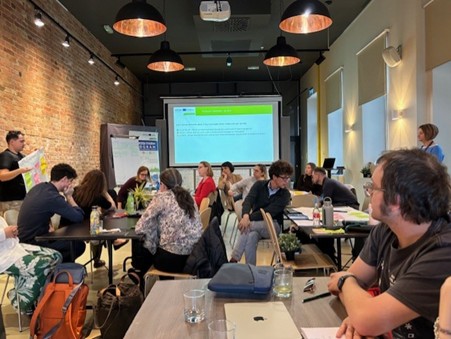
The final event of the Interreg CoFarm4Cities project, held in Budapest, showcased international cooperation and sustainable land-use models. Experts and partners gathered to discuss the future of urban agriculture and the pivotal role of local food systems.
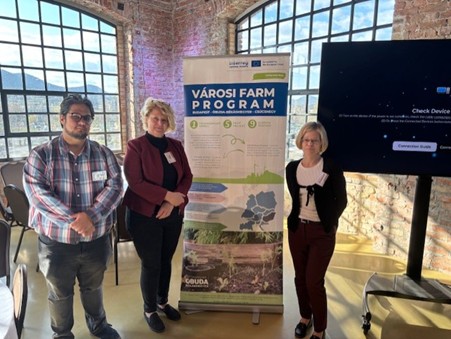
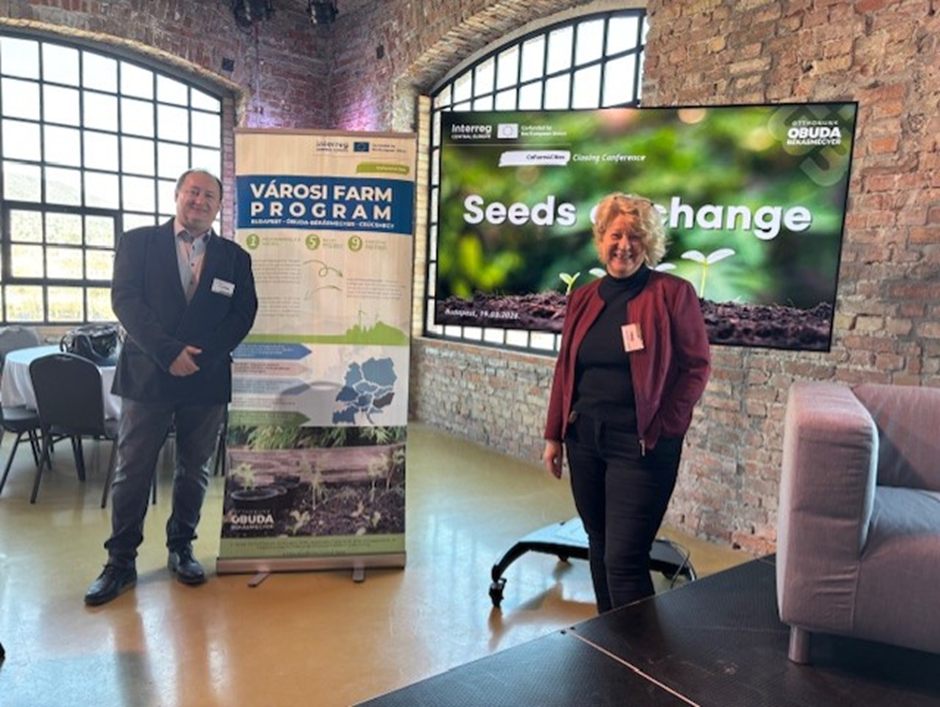
Between March 17 and 20, 2026, the Hungarian capital hosted the closing series of events for the Interreg CoFarm4Cities project. This four-day professional forum served as the primary platform for summarizing the collective knowledge and practical experiences gained throughout the project’s duration. The central focus of the professional dialogue remained the prevention of urban sprawl and the strengthening of local food systems and communities.
A highlight of the event was Thursday’s conference, which provided an excellent opportunity for project partners and professional stakeholders interested in urban farming to engage with one another. Participants were introduced to several concrete domestic and international examples of the successful establishment and operation of urban farms.
A major achievement showcased at the event was the UFSLU (Urban Farm Sustainable Land Use) model. The development of this framework was the responsibility of Obuda University as a consortium partner. Experts from the Rejtő Kar of Obuda University worked in close collaboration with other partners to create this unified, accessible model. Furthermore, the event presented toolkits and local action plans designed to translate the model into tangible, implementable steps for follower cities.
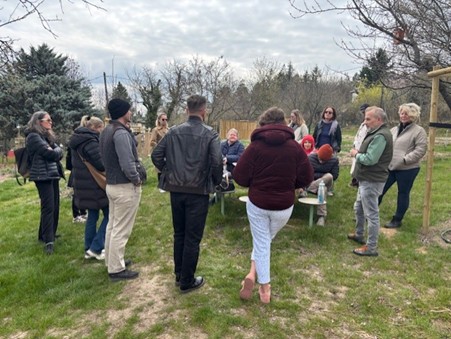
To conclude the series, project partners visited Budapest’s first urban farm based on permaculture principles, established by the Óbuda Municipality at Csúcshegy. The conference functioned not only as a closing ceremony but also as a bridge to future partnerships. The organizers aim to maintain the momentum gained during the project and build a long-term support network to assist participating organizations beyond the official end date. The final conclusion of CoFarm4Cities is that agriculture on urban fringes is far more than simple food production: it is an essential pillar of urban ecology and community sustainability.