Circular Economy in Fashion: TEX-DAN Workshop at Obuda University
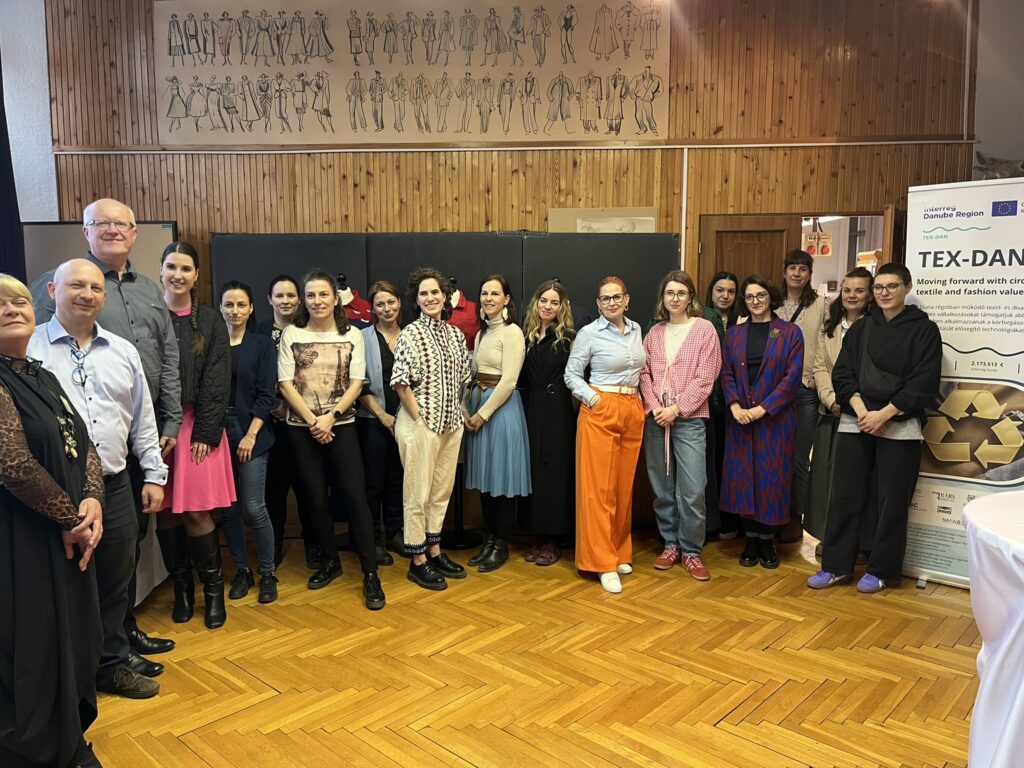
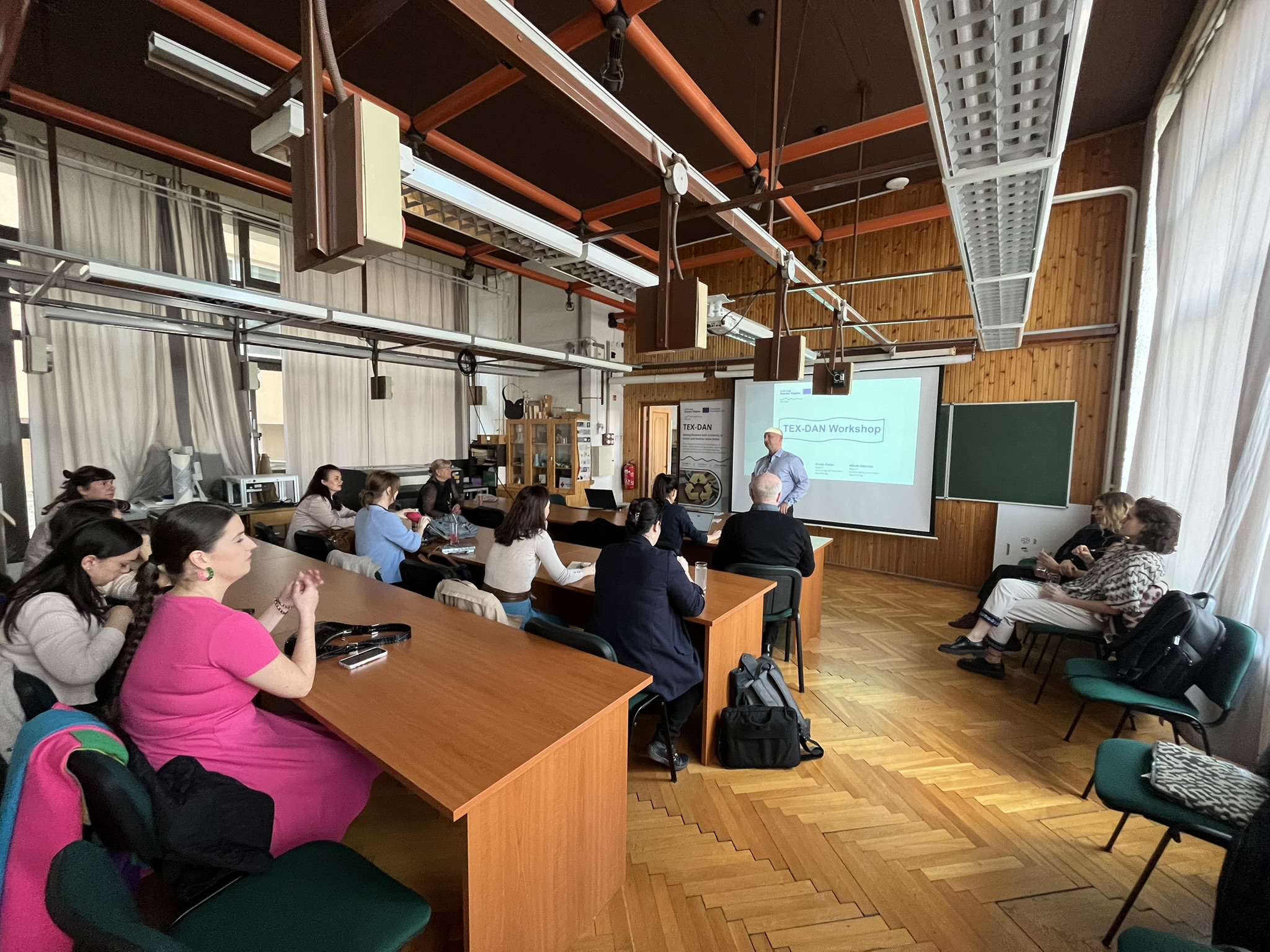
The Rejtő Sándor Faculty of Obuda University hosted the TEX-DAN project’s national closing event. The workshop focused on the sustainable future of the Danube region’s textile industry through international cooperation and innovative recycling strategies.
The drawing and design studios on the ground floor of Obuda University’s Rejtő Sándor Faculty provided a professional backdrop for the prestigious national closing event of the TEX-DAN project. This gathering was far more than a simple professional meeting; it represented a significant milestone in an initiative involving 14 international partners aiming to foster a sustainable future for the textile and fashion industries within the Danube region. The domestic professional representation of the project was ensured by the South Transdanubian Regional Innovation Agency (DDRIÜ), IFKA Public Benefit Nonprofit Ltd., and the Blue Planet Climate Protection Foundation, working in close cooperation with key sectoral stakeholders.
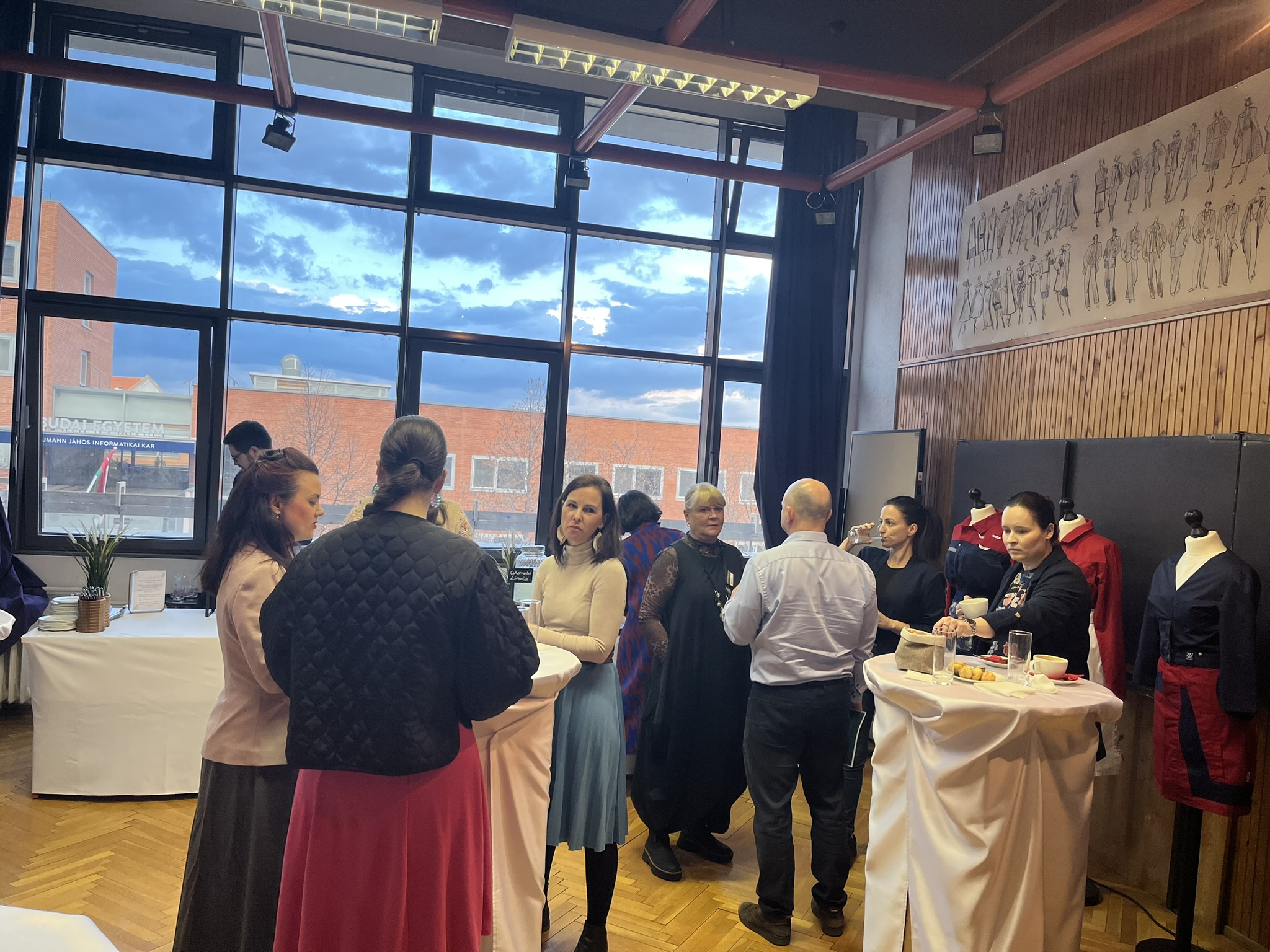
Participants of the workshop—including representatives of Hungarian micro and small enterprises, as well as industry experts—gained first-hand insight into the experiences of the pilot program launched in 2025. The central theme of the event revolved around the proposals of the TEX-DAN Hungarian action plan. These recommendations aim to enable smaller market players to more easily adapt technologies that support a circular economy through transnational knowledge exchange. The professional program was followed by a collaborative brainstorming session, where attendees discussed the possibilities of launching a new domestic re/up-cycle textile professional community, thereby laying the foundations for a long-term professional network.
The guests were welcomed by Zoltán Bendó, project manager of DDRIÜ, who highlighted that the project’s most vital mission is to assist SMEs in greening their value chains, transferring innovative know-how, and strengthening policy support tools. The host of the event, Vice-Dean and Institute Director Dr. habil. Edit Csanák DLA, emphasized the strategic role of Obuda University in her opening speech. She underlined the Faculty’s commitment to sustainability, noting that integrated circular principles are a priority in both education and research. The event clearly demonstrated that linking industrial cooperation with a solid scientific background is essential for the international competitiveness of Hungarian textile innovations.